Dr. Maria Montessori
“It is not enough to see that the child gets good food, good physical care, and enough sleep, because development needs activity too. Experience in the environment is necessary because everyone must be adapted to the environment.”
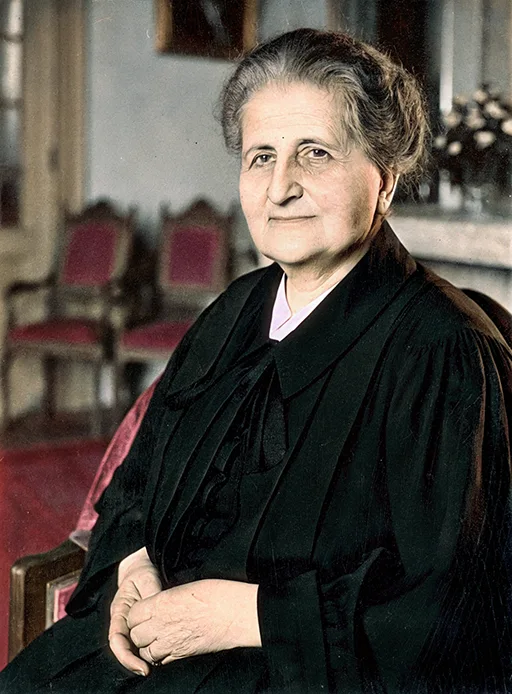
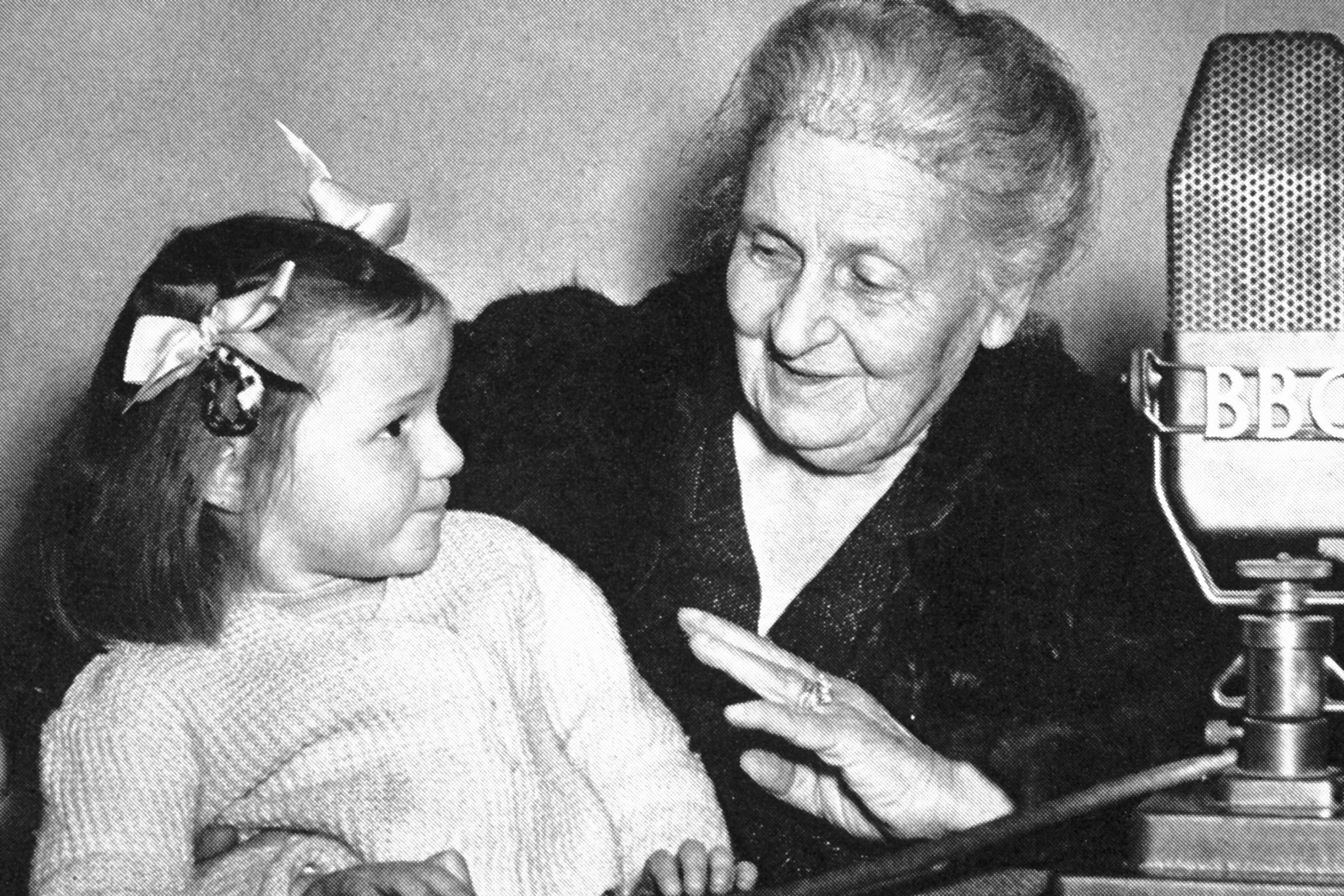
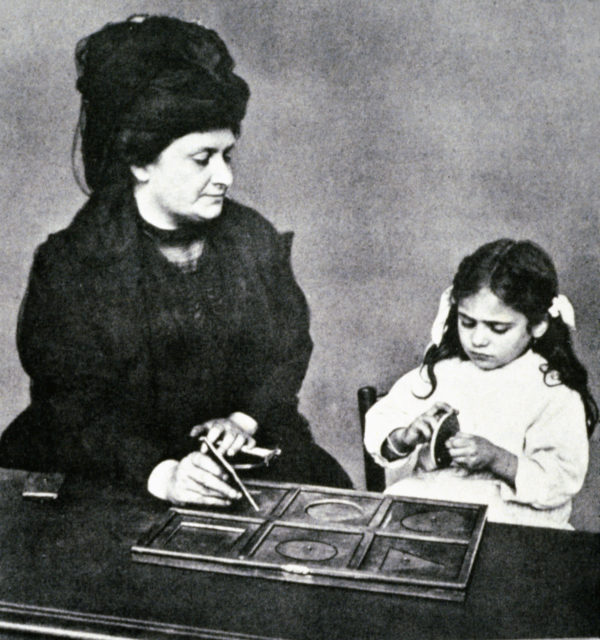
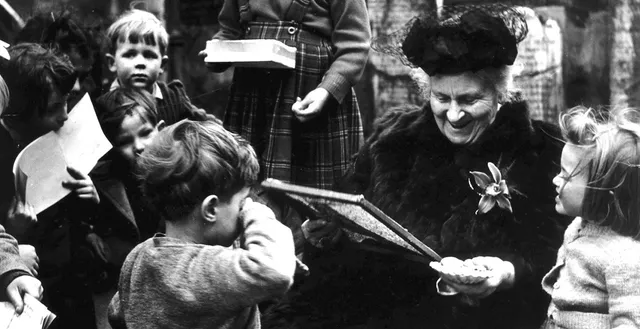
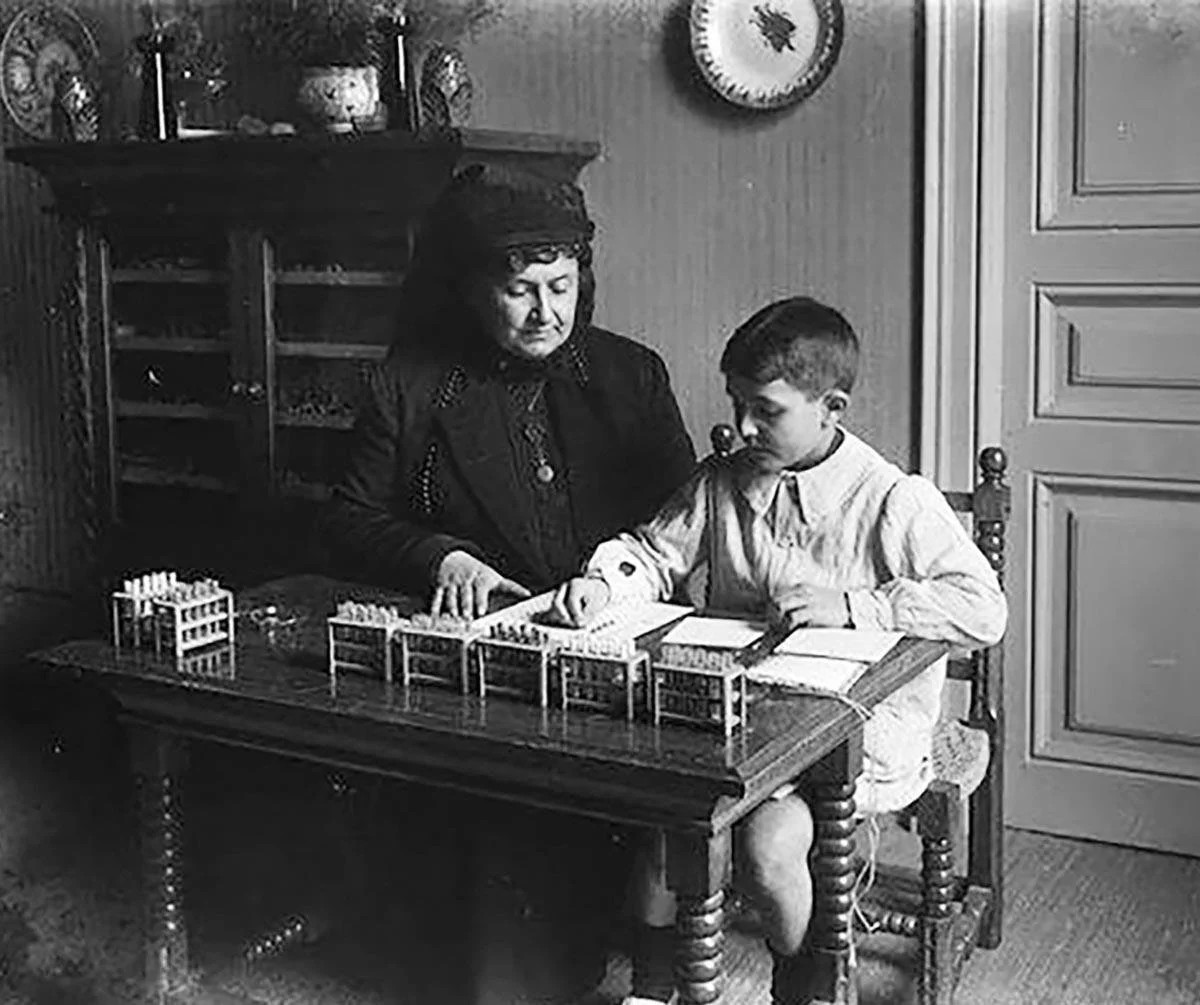
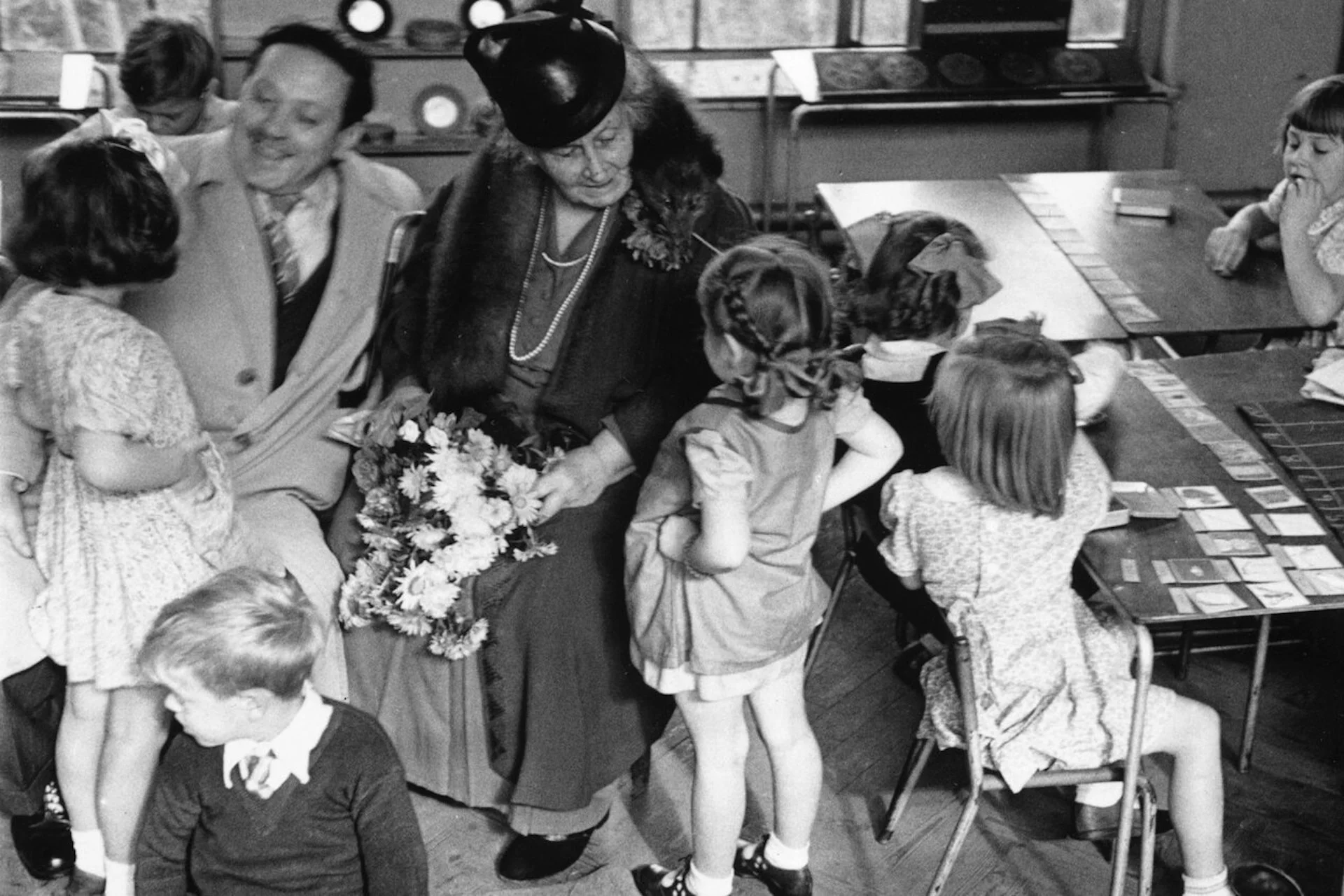
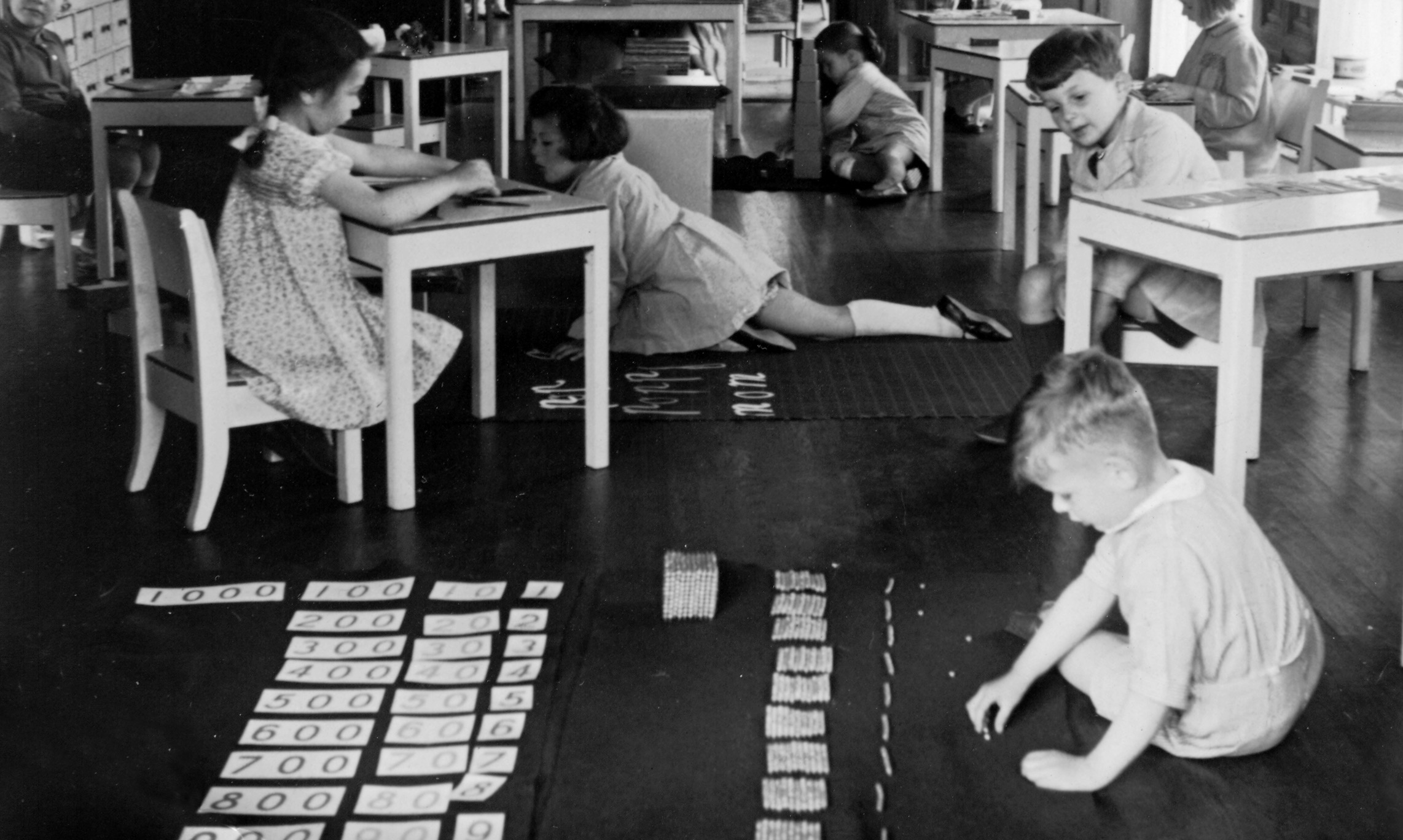
Dr. Maria Montessori was the first woman in Italy to become a medical doctor. She studied biology, psychiatry, anthropology, and medicine, earning her degree from the University of Rome in 1896. Working closely with children as a physician sparked a deep interest in how they grow and learn. Through observation, she discovered something groundbreaking: children naturally shape their own development by engaging with the world around them. She noticed that when given hands-on, self-correcting materials, children chose activities on their own and learned with incredible focus and joy.
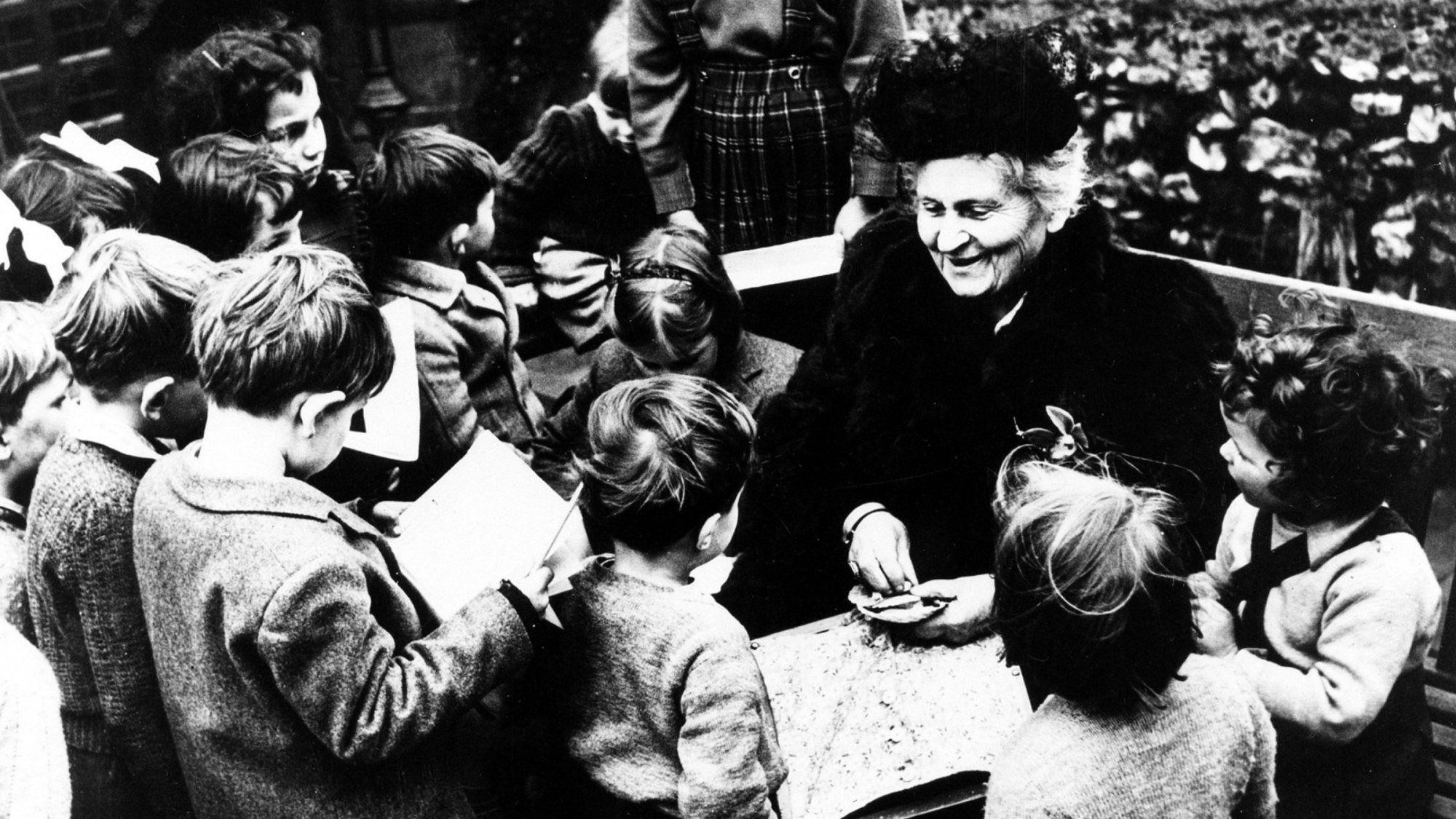
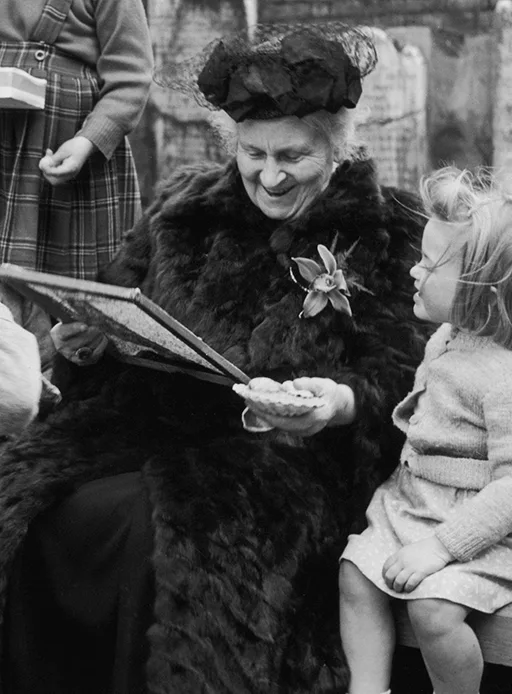
Montessori spent decades studying children across cultures, countries, and backgrounds. She found that the principles of human development were universal. Throughout her life, she continued refining her understanding of childhood—and her work eventually earned her three nominations for the Nobel Peace Prize for her advocacy for peace and respect for humanity.
Though she was a scientist, Dr. Montessori blended rigorous research with a deep spiritual respect for the child. Her philosophy is built on two core ideas:
- All children share universal developmental needs.
- Every child is a unique, capable, and worthy individual who should be respected and supported as they grow.