
Helping You Choose the Right Learning Path for Your Child

Choosing how your child learns is one of the most important decisions you’ll make. Montessori and traditional education offer two very different approaches, each shaping your child’s development in unique ways. This page will help you understand both systems so you can choose the environment that best supports your child’s growth.
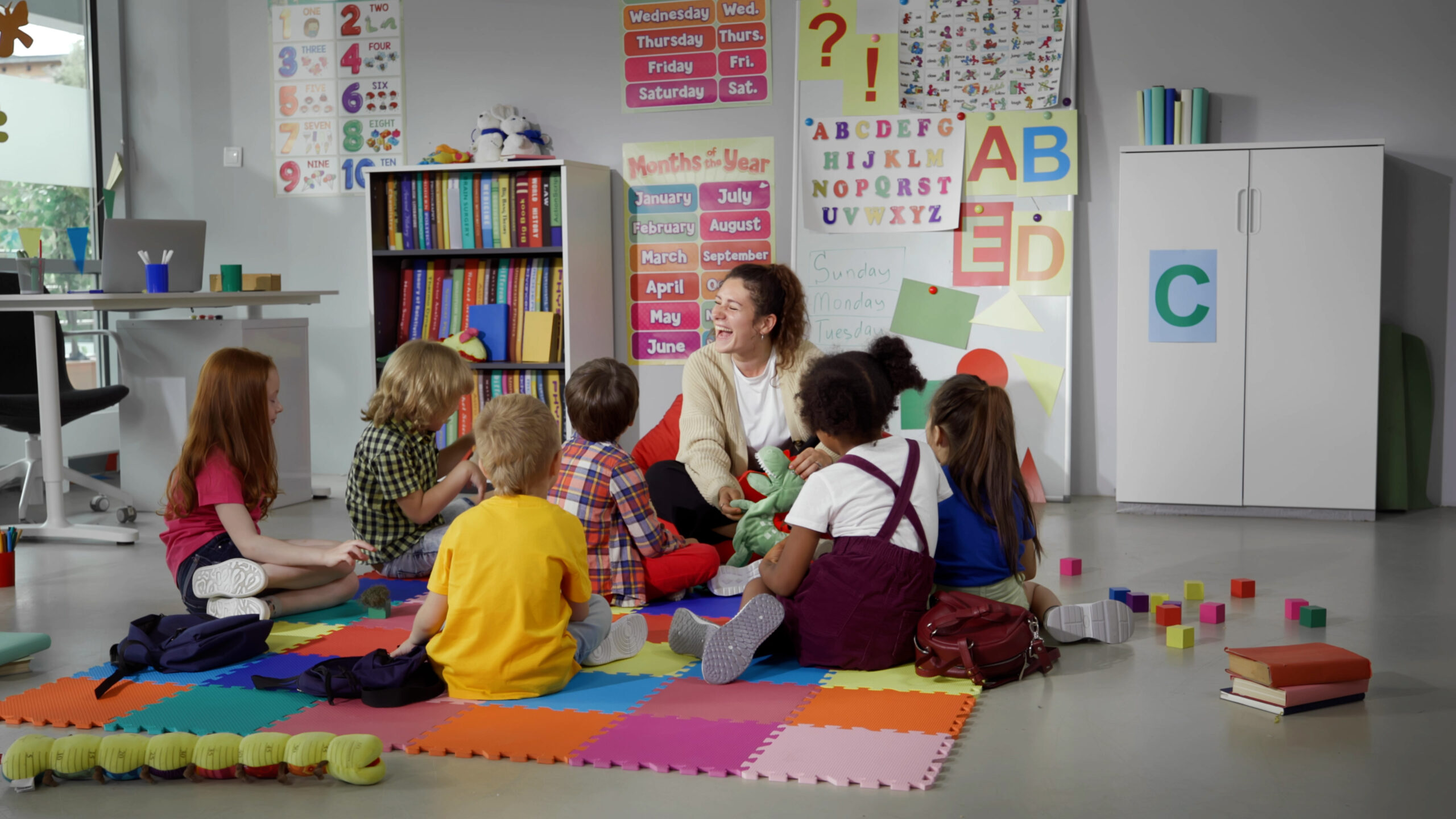
Why This Decision Matters?

The early years set the foundation for how children think, explore, and approach learning for the rest of their lives. Whether you choose Montessori or a traditional classroom, the philosophy behind that choice will play a key role in your child’s confidence, independence, and love for learning.

Montessori vs Traditional: What’s the Difference?

Learning Approach

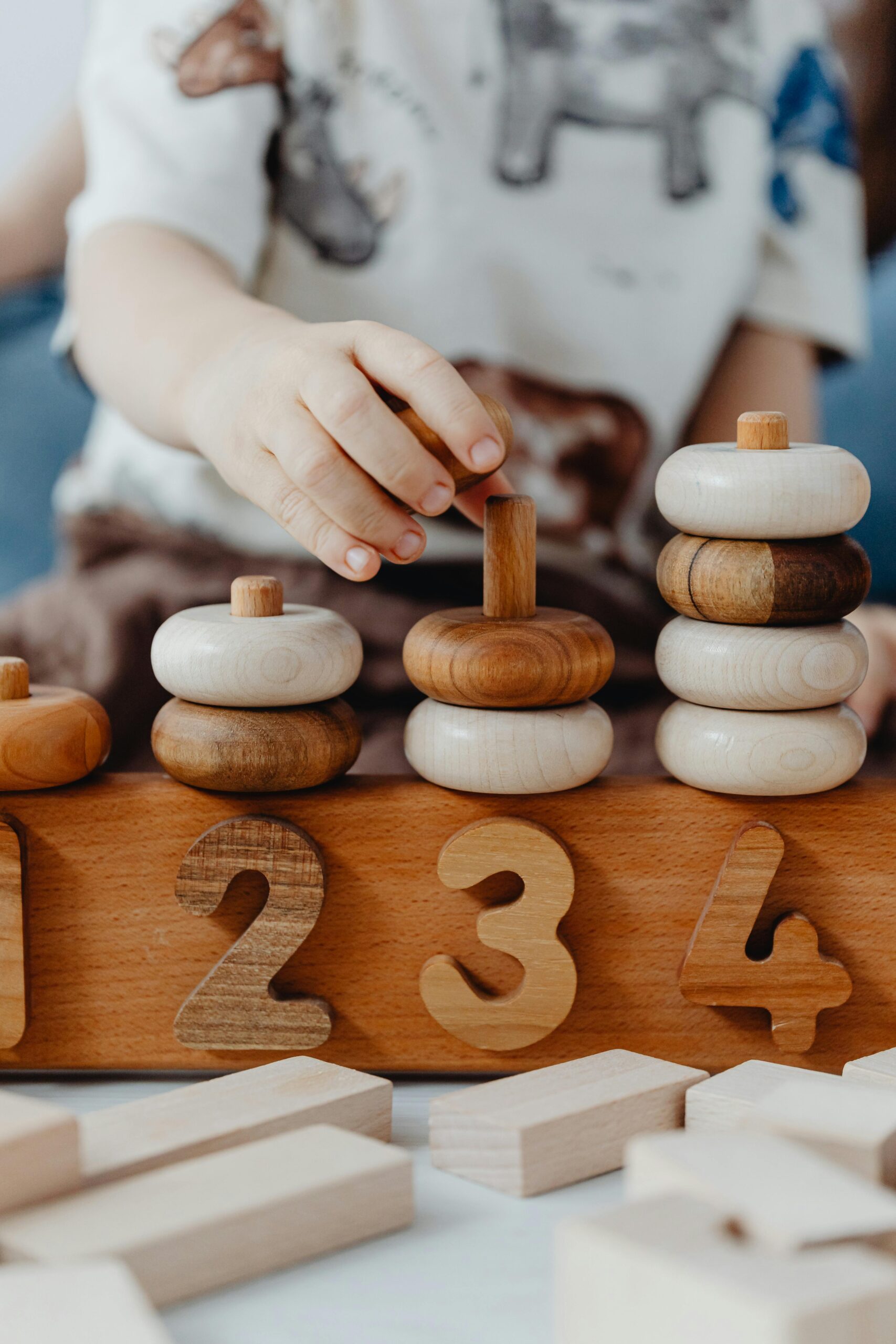
Children learn through hands-on exploration, choosing activities that match their interests and developmental stage. This cultivates intrinsic motivation and a genuine love for learning.

Learning Approach

Lessons typically follow a teacher-directed curriculum where all students work on the same topic at the same time.

Role of the Teacher

Teachers act as guides—observing, supporting, and introducing materials when a child is ready.

Role of the Teacher

Teachers lead the class from the front of the room, directing the pace, lessons, and outcomes.

Classroom Environment

Classrooms are open, calm, and intentionally designed. Children have access to beautifully crafted materials that invite exploration and independence.

Classroom Environment

The setup is usually more structured, often with desks arranged in rows and materials kept out of reach until instruction time.

How Progress Is Measured

Children are assessed through observation and individualized progress tracking rather than tests or grades.

How Progress Is Measured

Regular quizzes, grades, and standardized testing are used to measure achievement.

How Children Work Together

Mixed-age classrooms encourage collaboration and peer learning. Older children naturally mentor younger ones.

How Children Work Together

Students work mostly with peers the same age, with a stronger focus on individual performance and competition.

Which Approach Fits Your Child Best?

Montessori education is ideal for families who value:

  • A child-led, curiosity-driven learning experience
  • Independent thinking and practical life skills
  • A calm, respectful classroom environment
  • Development at each child’s own pace

Traditional education may be a better fit for families who prefer:

  • A structured, standardized curriculum
  • Teacher-led instruction
  • Familiar grading and assessment systems
  • Predictable, uniform classroom routines

There is no “one-size-fits-all” answer—only what aligns with your child’s personality and your family’s educational goals.
Why Many Families Choose Montessori?

Montessori programs nurture the whole child—academically, socially, emotionally, and physically. Children gain confidence, independence, and a lifelong love of learning because they are respected as capable individuals.

If you’re looking for an environment that follows your child’s natural development, encourages curiosity, and builds strong foundational skills, Montessori may be the right choice.